

A good doctor will try to guide the patient in communicating their physical complaints. At the same time, the patient also has the responsibility to communicate all relevant aspects of their illness. This is what you can do to help your doctor make the correct diagnosis:
Author Archives: Mani Venkatesan
#5 How to be a better patient – How to prepare for your doctor’s appointment

I’ve seen many patients confused about their diagnosis and their treatment. Would you want to prevent this situation? Here are some tips:
#4 How to be a better patient – What to do when you have a complaint?

Imagine you’re a patient with extreme pain and you therefore go to A&E (i.e. emergency room) in the hospital. Here you are sat down and not helped for hours. Or imagine you have had a very bad experience with a healthcare professional (doctor, nurse or whoever else in the hospital). What would you do?
#3 How to be a better patient – preventing colorectal cancer

In the western world roughly 1 in 20 people will be diagnosed with bowel cancer in their lifetime. Here’s what you could do to reduce your risk of getting this nasty disease.
#2 How to be a better patient – recognising alarm symptoms

There’s a large chance you, a friend or a family member will get bowel cancer, so it’s good to be aware of the main alarm symptoms for bowel cancer
#1 How to be a better patient – an intro
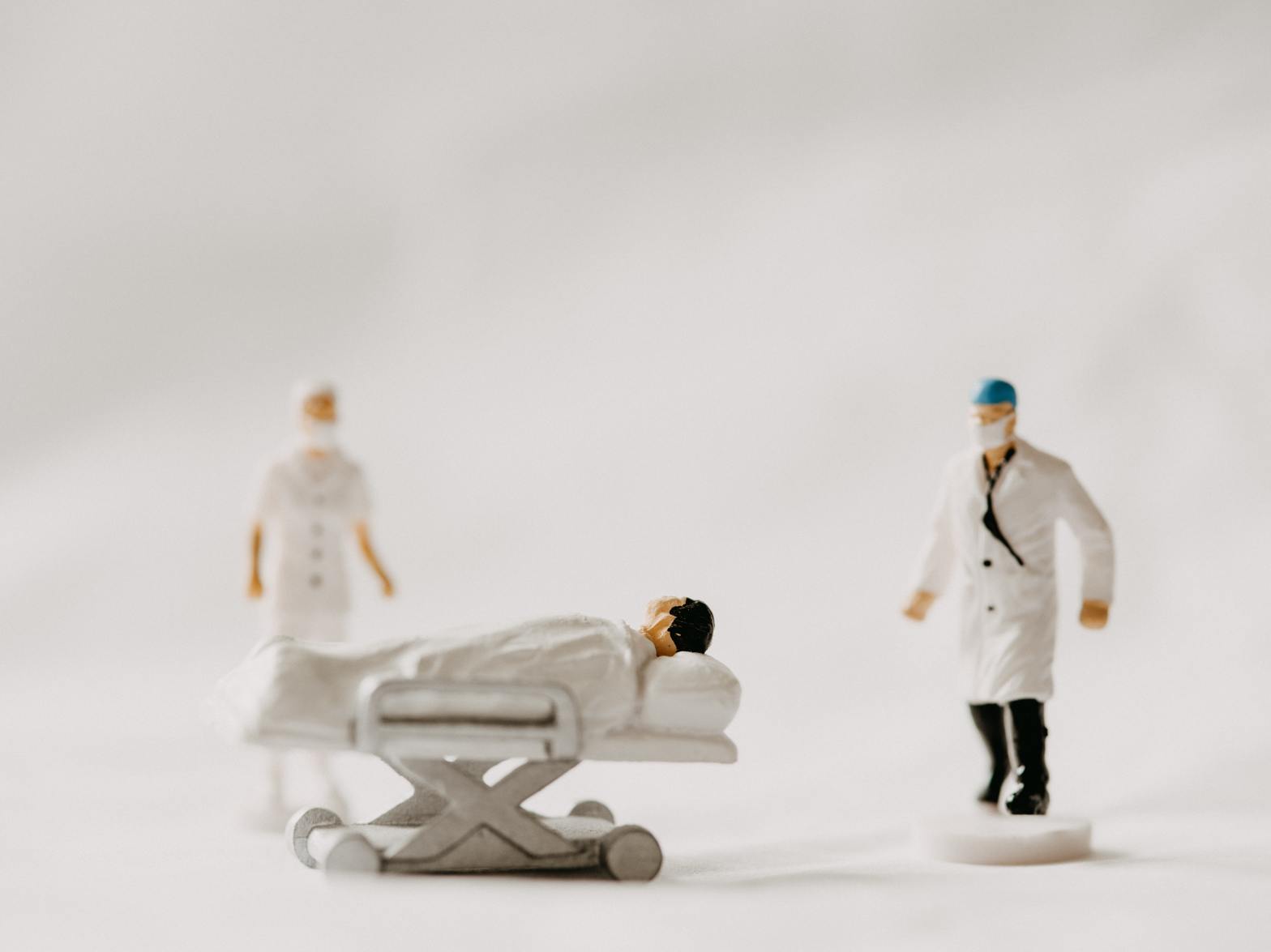
In this blog post series “How to be a better patient”, I’ll try to discuss the following things:
1. How to communicate more effectively with healthcare providers 2. Which medical alarm symptoms to be aware off 3. How to reduce your risk of disease 4. The pitfalls of modern medicine. And much more…
Running a marathon for cancer research!

I hope you will be able to support patients in their fight against cancer!
Resistance #1: Senescence as a mechanism to resistance?
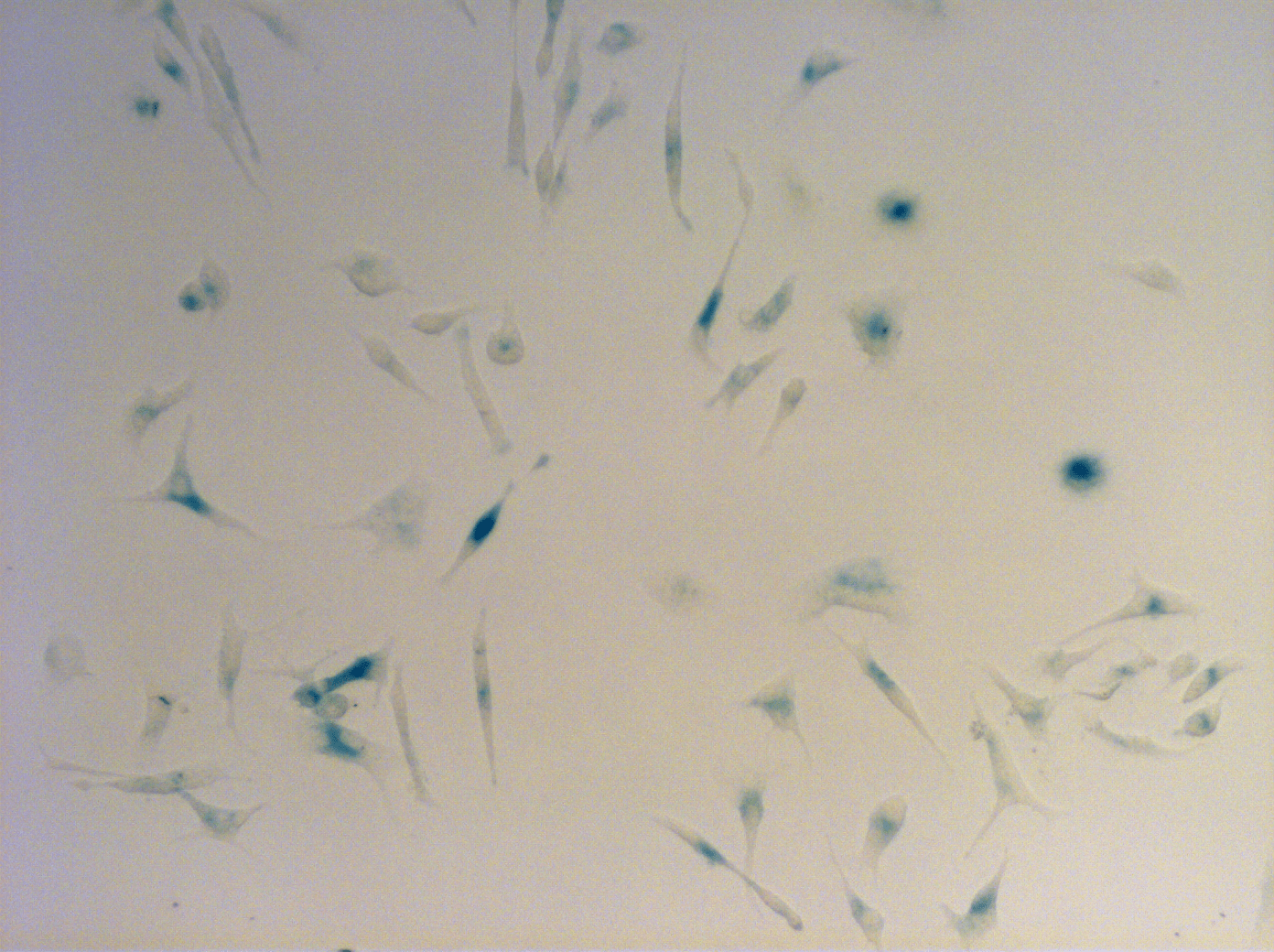
Mysteries surrounding non-dividing cancer cells.
Fear not, plan, adapt, execute and don’t overthink
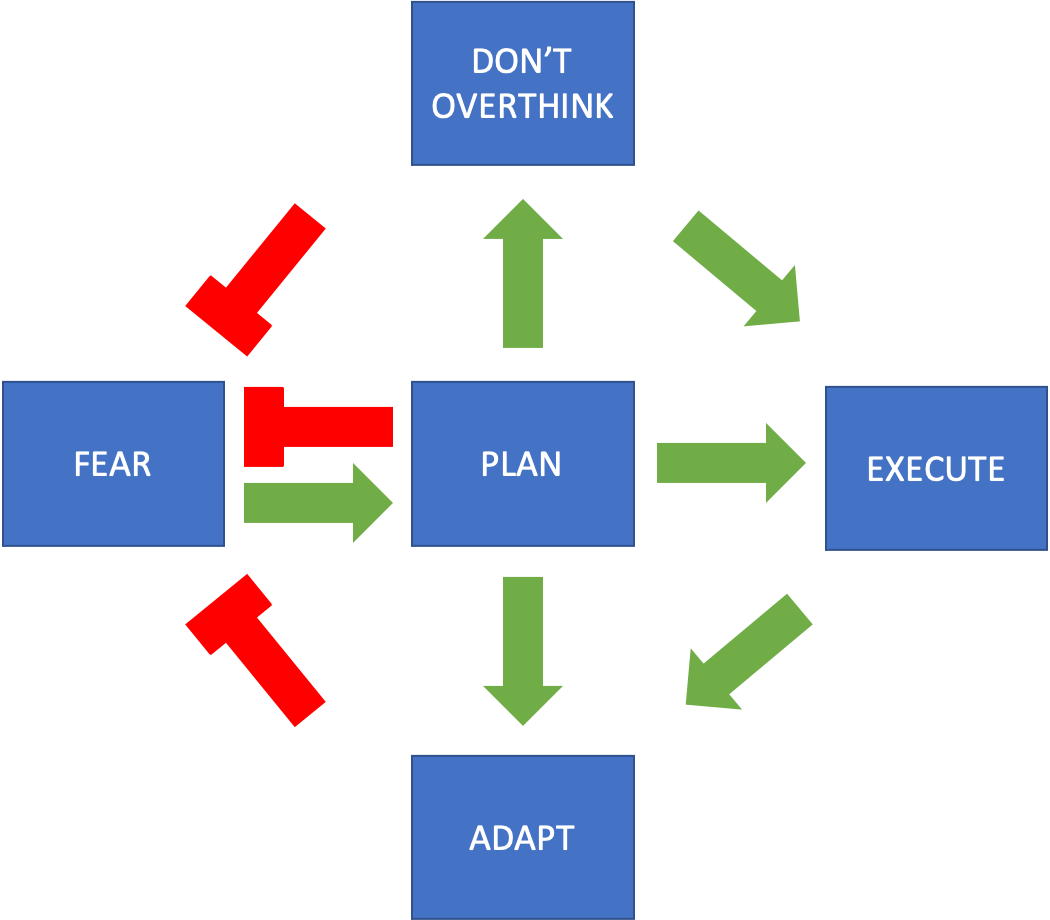
Use fear as a cue to regroup through planning and then executing.
My first week as a medical student in the hospital
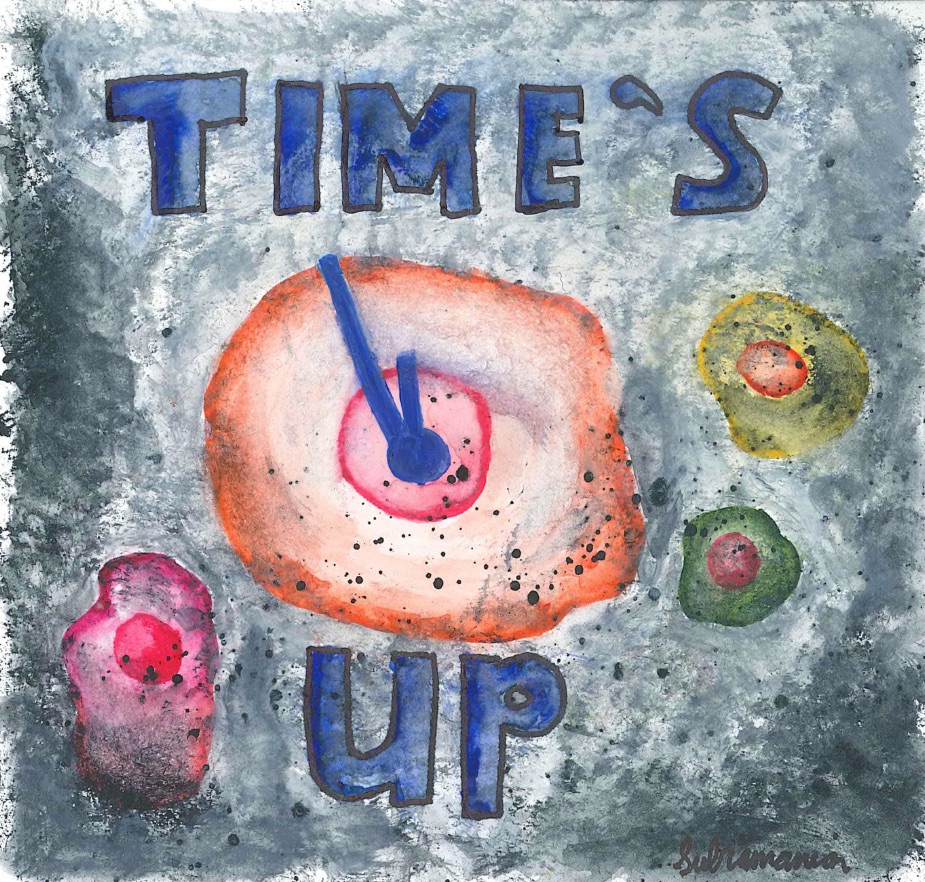
For the most us (including me), the problem isn’t that we don’t have enough, the problem is too often we don’t spend it well…
 Science, Cancer and Medicine